IN BRIEF
Bring your medical history, medicines, relevant imaging and operation records, plus the activities you want to improve, to your first rehabilitation visit. Request an assessment-led plan and an itemized estimate covering consultations, therapy, procedures and support services. There is no single reliable price for every rehabilitation course in Korea.
In this guide
What to bring
Prepare a short account of the main problem, when it began, the diagnosis if known and the treatments already tried. Bring current medicines and allergies, relevant scan reports, operation notes and existing restrictions. Ask the clinic in advance which formats it can review. Keep full reports separate from a one-page summary so the important information is easy to find.
Write down two or three practical goals, such as walking to the shops, using stairs or returning to work. These help explain how the condition affects you beyond a pain score.
What to ask during assessment
Ask what the clinician thinks is causing the problem, what remains uncertain and what options are appropriate. Request an explanation of the purpose of each proposed treatment and the alternatives. Clarify who will deliver sessions, when reassessment will happen and how you should ask questions between visits.
If you do not understand an instruction, ask for a demonstration or written explanation. Confirm interpretation arrangements beforehand rather than assuming an English website means every appointment can take place in English.
How to compare costs
Request separate prices for the initial assessment, follow-up consultation, treatment sessions, any procedures, interpretation and records. Ask which charges are optional and which may change after examination. Confirm payment currency, cancellation terms and the policy for unused sessions if the plan changes.
This site does not provide a universal rehabilitation price: the service, diagnosis and course length differ. A written estimate for the actual proposed plan is more useful than a broad advertised starting price. Check any insurance reimbursement directly with the insurer using the exact treatment description.
Read the estimate as a course of care
Ask the clinic to distinguish an assessment fee from therapy time, physician review, imaging and any optional procedure. Clarify whether the quoted amount covers one visit or a course and whether it includes interpretation, documents and taxes where applicable. Keep the written estimate alongside the proposed schedule so you can compare like with like.
Also consider transport, accommodation and support between visits. These are planning costs, not a reason to purchase more treatment. Ask your insurer about reimbursement for the exact services rather than assuming a clinic invoice will be covered.
Make the decision after the assessment
At the end of the visit, ask the clinician to summarize the working diagnosis, realistic goal, recommended options and review point in language you understand. Ask what can be continued at home and what needs supervision.
If a procedure is suggested, request its purpose, material risks, alternatives and separate cost before deciding. Arrange how you can obtain your records and whom to contact with a clinical question. This visit-specific information belongs alongside the estimate; it should not be replaced by a general promotional package description.
Leave with a next step
Before leaving, make sure you understand the agreed plan, current restrictions, any prescribed activities and the review point. If you will continue care elsewhere, request a summary that another clinician can use. You may decide to proceed, seek another opinion or return to your existing team. A first appointment is valuable when it helps you make that decision with clearer information.
What should an assessment change about your plan?
A useful first assessment should connect the problem you describe with a practical next decision. For example, if your priority is reaching a bathroom or managing the journey to work, ask what currently limits that activity, which part rehabilitation may address and how progress will be reviewed. These examples are conversation prompts, not recommended exercises or personal targets.
Ask the clinician to explain the reasoning in language you understand: the working diagnosis, important uncertainties, whether further assessment is needed and why the proposed next step fits your goals. More sessions are not automatically the right answer to every uncertainty. If you leave without understanding the plan, request clarification before committing to a package. Keep a short written summary of the agreed goal and review point so another therapist can understand the purpose of care.
Sources: NSW Agency for Clinical Innovation: Person-centred goal-directed care
Continue reading
Explore relevant providers
Selected for the published services relevant to this guide. Commercial partners receive priority among relevant providers; placement is not a clinical ranking. Review the service and ask about suitability before committing to treatment.
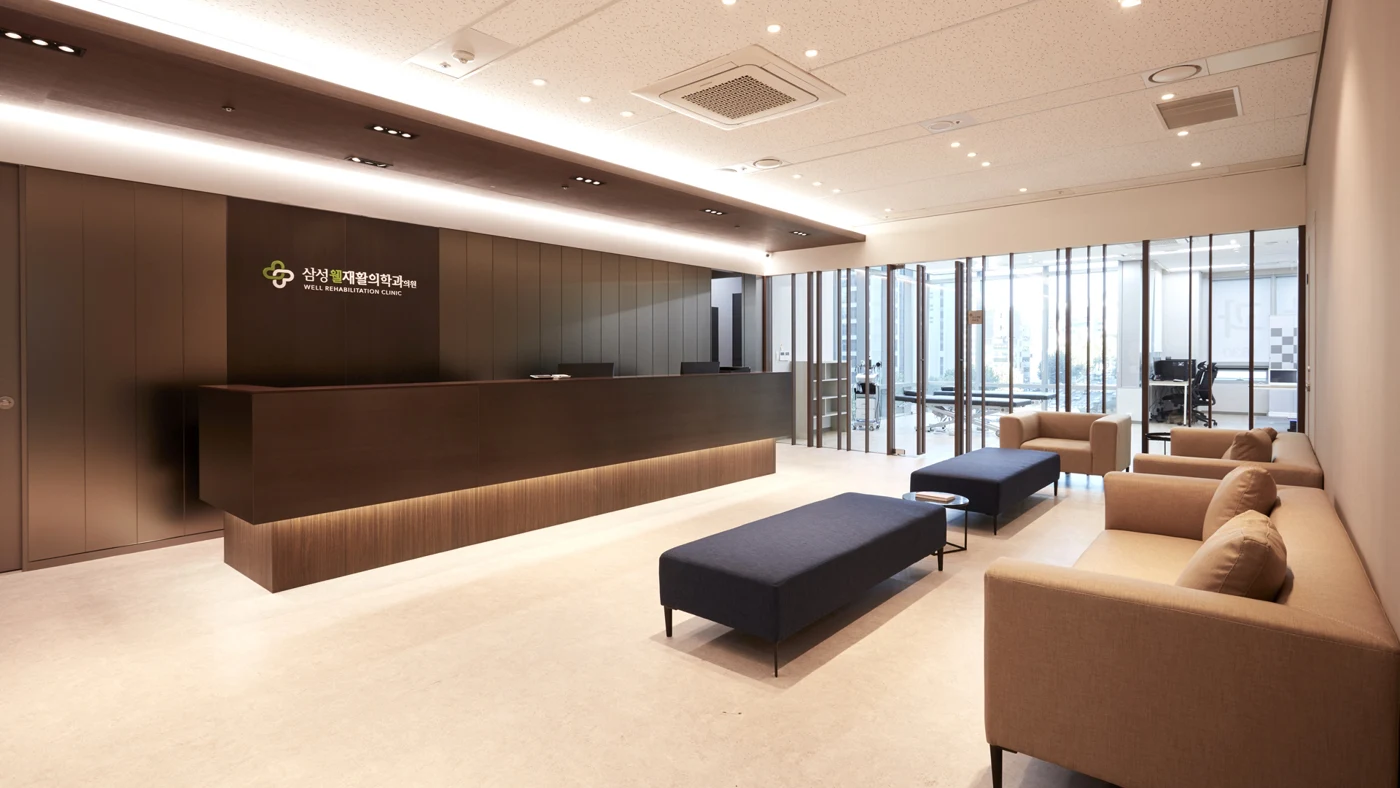
Well Rehabilitation Clinic
A rehabilitation medicine practice in Gangnam for people whose pain, stiffness or movement limitations interfere with daily activity. Its published care includes musculoskeletal assessment, manual therapy, therapeutic exercise and shockwave therapy.
Explore clinic & clinical team ↗
Seoul Novos Hospital
A rehabilitation-focused hospital in Dobong-gu, Seoul, offering inpatient recovery and coordinated therapy for neurological and musculoskeletal conditions. Its published services cover walking, daily activities, communication, swallowing and cognition.
Explore clinic & clinical team ↗Questions before you choose care
How much does rehabilitation cost in Korea?
The cost varies with the assessment, treatment type, number and length of sessions, procedures and support needs. Request an itemized quote for the proposed plan and ask what may change after examination. A starting price cannot describe every patient’s total course.
Do I need to buy a treatment package at the first visit?
Ask to understand the assessment and options before deciding. Clarify what is included, why that number of sessions is proposed, when progress will be reviewed and the terms for cancellation or unused sessions. You can request time to consider the plan.
Does an English website guarantee an English-speaking appointment?
No. Confirm language arrangements for the assessment, therapy sessions, consent and written aftercare. Ask whether interpretation has a separate charge and whether it must be reserved in advance.
References
- NHS: Physiotherapy
- CDC Yellow Book 2026: Medical tourism
- NSW Agency for Clinical Innovation: Person-centred goal-directed care
Editorial research: November 3, 2026. Educational information; not independently medically reviewed.