IN BRIEF
Before leaving Korea after orthopedic treatment, obtain your diagnosis or operation report, current movement and weight-bearing restrictions, medicine list, exercise plan and a named follow-up clinician. Discharge from a clinic is a separate decision from readiness to fly or resume sport. Your handover should explain both the next review and when to seek urgent help.

In this guide
- Begin with the exact injury or operation
- Identify the clinician who owns the plan
- Keep restrictions specific
- Use milestones as a conversation
- Prepare for the tasks outside the clinic
- Review pain management with the team
- Make wound and complication instructions usable
- Plan travel separately from discharge
- Create a handover that another clinician can use
- Think beyond the first comfortable day
- A clinic discussion to consider
- What to have before you leave
- What if the handover instructions do not agree?
Begin with the exact injury or operation
The phrase knee rehabilitation can describe very different situations: a new injury, an older problem, recovery after ligament surgery, or rehabilitation following joint replacement. These should not share a single generic timetable. Ask your treating team to identify the diagnosis, the procedure if there was one, and any additional tissue that was repaired. Those details help the receiving clinician interpret your current restrictions.
Keep the operation report and the latest review letter together. If you are seeking rehabilitation in Korea after surgery elsewhere, send those documents through the clinic's accepted process before the appointment. If surgery took place in Korea, request the same information before leaving. A patient-friendly summary is helpful, but it should not replace the clinical record when another professional needs to understand precisely what was done and what remains protected.
Identify the clinician who owns the plan
Ask which professional is responsible for setting restrictions and who can change them. The surgeon, rehabilitation physician and treating therapist may each contribute, but their roles should be clear. If advice appears inconsistent, ask the teams to clarify it rather than choosing the instruction that seems easiest. This matters particularly when different services are involved across countries.
Write down a named contact or the correct department for non-urgent clinical questions. Confirm the expected response route and hours. An administrative coordinator may help arrange appointments but may not be able to authorize a change in weight bearing, brace use or activity. Knowing this distinction prevents a logistical message from being mistaken for medical clearance. Ask what to do if the responsible clinician is unavailable and a new concern needs prompt assessment.
Keep restrictions specific
Request written instructions using concrete language. If you have a weight-bearing restriction, ask the team to explain what it means in your case and demonstrate the appropriate walking-aid use. If a brace or sling is prescribed, clarify when it should be worn, whether it can be removed and who will review it. Do not alter the plan based on a general exercise video or another patient's experience.
Ask whether there are movement, lifting or activity limits and how long they apply before reassessment. The important point is not to collect every possible precaution, but to understand the ones relevant to you. If a restriction prevents a planned flight, transfer or daily task, discuss that problem early. A therapist may be able to teach a safer approach or recommend assistance. Travel convenience should not silently replace the clinical plan.
Use milestones as a conversation
A rehabilitation milestone is useful when it helps the team judge what to do next. Ask which measures matter for your operation or injury and how they will be assessed. They might relate to movement, strength, walking, balance or a specific daily activity. The choice and timing belong to the treating professionals. A date on a calendar alone does not establish readiness for the next stage.
The AAOS knee-replacement exercise guide describes progressive activity under the supervision of a surgeon and physical therapist. That illustrates the need for a supervised progression, not a universal schedule for every operation. Ask what you need to demonstrate before a new activity is added and what could delay it. If you are progressing differently from someone else, discuss your own findings. Differences can reflect the procedure, previous function, other health conditions and the demands of your intended activities.
Prepare for the tasks outside the clinic
A person may manage an exercise in a controlled treatment room but still struggle with stairs, a low chair, carrying a bag or getting into a vehicle. Tell the team which tasks you need to perform during the stay and after returning home. Describe the layout of your accommodation and home, including steps and bathroom access. Photographs can help explain a practical problem if you are comfortable sharing them.
Ask whether any equipment or assistance is needed and arrange it before discharge or departure. Clarify who supplies it, whether it fits your situation, and whether you can take it on the journey. Do not assume that a companion can safely provide physical assistance without guidance. If transfers or personal care are difficult, ask for professional advice on the support required. This turns a broad discharge goal into a plan for the actual environment you will use.
Review pain management with the team
Keep an accurate list of medicines, including the name, dose and instructions provided by the prescriber. If different clinicians have supplied medicines, ask for a reconciled list so that you understand what is current. Report side effects, allergies and difficulty following the plan. Do not add or stop medicines based on this guide or on an online discussion about a similar operation.
Ask how symptoms should influence the activity plan and which changes require assessment. Some discomfort can occur during recovery, but that general statement cannot explain every new symptom. Describe the location, onset and effect on function to your clinician. If pain is preventing sleep, basic mobility or prescribed activities, request a review rather than simply forcing through the programme. The goal is a manageable plan with clear escalation instructions, not an expectation that you should tolerate any amount of discomfort.

Make wound and complication instructions usable
If you have had surgery, ask the operating team for wound-care instructions and the date or criteria for any review. Clarify who should examine the wound if you leave the country before the next appointment. Keep the relevant contact details with the discharge papers. A photograph sent online may help a clinician understand a concern, but it does not necessarily replace an examination.
Ask for the signs that should prompt urgent help in your particular situation. New chest pain or breathlessness requires emergency assessment; after surgery, a newly painful or swollen leg also needs prompt medical evaluation. Do not wait for a routine rehabilitation appointment when a potentially serious change occurs. Tell the assessing clinician about the recent operation, travel and medicines. Your emergency plan should work in the place where you actually are, including while travelling and after you return home.
Plan travel separately from discharge
Being ready to leave a hospital or clinic does not automatically mean that a long journey is appropriate. Discuss the proposed travel date, journey length, transfers and mobility assistance with your treating team. The CDC identifies travel after medical procedures as an area requiring careful planning, including the possibility of complications and the need for follow-up. Obtain advice for your specific circumstances instead of relying on a fixed interval from a travel article.
Ask the airline or transport provider about any required medical documentation and assistance arrangements. Keep essential medicines and records accessible during the journey, subject to current transport and destination rules. If the treatment plan changes, revisit the itinerary. A more flexible ticket or accommodation arrangement may be valuable when the clinical course is uncertain. The cost of changing travel should be considered alongside the cost of the procedure and rehabilitation, not discovered only after a delay becomes necessary.
Create a handover that another clinician can use
A useful handover explains the diagnosis, procedure, date, important findings, treatment so far, response and current restrictions. Include investigation reports and relevant images in a usable format. Ask for a record of the exercises or activities currently prescribed, the equipment in use, and the next planned review. Avoid relying on memory to reconstruct a programme after returning home.
Arrange the receiving clinician before departure when continued care is expected. Confirm that they are willing and able to take over the relevant part of care. Send records with your consent and keep a personal copy. Ask both teams whether any unresolved question needs direct discussion. A handover is more than a stack of paperwork: it should make clear what the next clinician is being asked to review and who remains responsible for any surgical or procedural follow-up.
Think beyond the first comfortable day
A reduction in symptoms can be encouraging, but the demands of returning to work, driving or sport may be much higher than those of daily living. Describe those demands to the team in detail. A desk-based job, a job involving lifting and a pivoting sport require different discussions. Ask who will assess readiness and what evidence they will use.
NHS guidance on ACL surgery describes recovery as a prolonged process rather than a brief treatment visit. Do not interpret completion of a short course abroad as clearance for unrestricted activity. If you want to return to a particular sport, ask for a plan that includes appropriate testing and continued rehabilitation. If the original goals change, tell your clinicians. The care plan should respond to the activities you actually intend to do, while respecting the healing and functional requirements of your condition.
A clinic discussion to consider
The official international website for Well Rehabilitation Clinic describes post-surgical rehabilitation among its services. As a listed provider, it is a relevant clinic to ask about outpatient rehabilitation after an orthopedic procedure. Before booking, provide the operative details and restrictions and ask whether the team can coordinate with the operating surgeon and your clinician at home. Do not assume the clinic accepts every postoperative case or provides inpatient care.
The clinic is a commercial partner. Its inclusion here reflects the stated service fit and should not be read as a ranking or an assurance of results. Review the provider profile and official international site, then use the same questions about clinical responsibility, progression and handover when comparing other eligible services. If a clinic cannot support the complexity or timing of your care, request an appropriate alternative.
The clinic's physician profile lists Dr. Kim DaeHwan's work in postoperative recovery. Ask whether your operation and current stage are within his service's scope and how questions about the surgeon's restrictions would be coordinated.
What to have before you leave
Before departure, confirm the current plan in writing: what you may do, what you should avoid, what needs review and who to contact. Check that the follow-up appointment at home is arranged if required and that your records can be opened. Ask the clinician to resolve any disagreement between the exercise sheet, discharge letter and spoken instructions.
Keep the focus on continuity. An overseas rehabilitation visit is one part of a longer recovery process, and its value depends partly on how well the next stage is organized. Clear records, realistic goals and an agreed transfer of responsibility can make the return home easier to manage. They also give you a concrete basis for asking questions if recovery does not follow the course you expected.
What if the handover instructions do not agree?
If the operation summary, discharge sheet and exercise plan appear to disagree, do not choose the version that is easiest to follow or combine them into a new programme yourself. Ask the responsible surgical or rehabilitation team to reconcile the instructions and identify the current plan. A translation should preserve the restriction and its meaning; a vague phrase such as normal activity is not a substitute for clarification of an important limitation.
Before you leave, ask which clinician can answer a question from your home team and how updated records will be supplied. Arrange your own copy of the operative report, treatment summary and relevant test results. Tell the receiving clinician which questions remain unresolved. An organized handover improves the information available for the next consultation; it does not replace reassessment or guarantee that a different clinician will recommend the same treatment.
Sources: CDC Yellow Book 2026: Medical tourism
Continue reading
Explore relevant providers
Selected for the published services relevant to this guide. Commercial partners receive priority among relevant providers; placement is not a clinical ranking. Review the service and ask about suitability before committing to treatment.
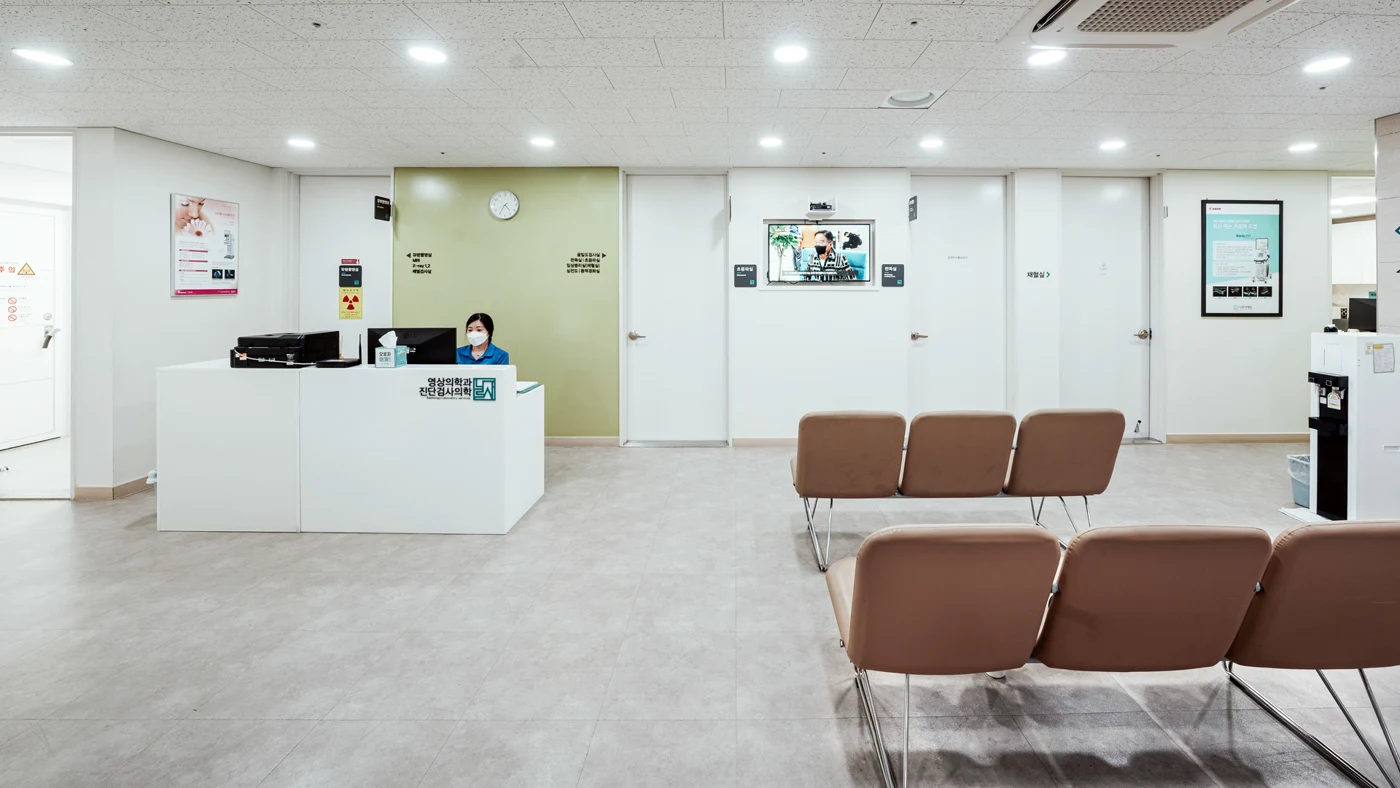
Narsha Hospital
An orthopedic hospital in Dongnae-gu, Busan, focused on shoulder and elbow care. It combines diagnostic imaging, nonsurgical treatment, surgery when indicated, inpatient care and rehabilitation.
Explore clinic & clinical team ↗
Pyo Nasil Orthopaedic Surgery Clinic
A Seocho-gu orthopedic clinic whose published services include sports injury care, nonsurgical musculoskeletal treatment and rehabilitation after surgery.
Explore clinic & clinical team ↗Questions before you choose care
Can I fly as soon as I am discharged after orthopedic surgery?
Not necessarily. Ask the surgical team about fitness to travel, wound review, mobility, clot risk and the length of the journey. Discharge means you can leave that care setting; it does not automatically clear a flight.
What should the Korean clinic send to my clinician at home?
Request the diagnosis, procedure or operation report, relevant imaging and results, medicine list, rehabilitation delivered, current function, restrictions and next review. Include a contact for clinical questions and obtain records in a format the receiving clinician can use.
Who should change my exercise or weight-bearing restrictions?
Agree this with the clinician responsible for the recovery plan, usually with input from the operating surgeon after surgery. The handover should name that responsibility. Do not change restrictions solely because pain has improved or your travel date is approaching.
References
- AAOS: Total knee replacement exercise guide
- NHS: Recovering from ACL surgery
- CDC Yellow Book 2026: Medical tourism
- Well Rehabilitation Clinic: Official international website
- Well Rehabilitation Clinic: Dr. Kim DaeHwan
- AAOS: Activities after total knee replacement
Editorial research: November 3, 2026. Educational information; not independently medically reviewed.