IN BRIEF
Shoulder and upper-limb rehabilitation should address the cause of pain or restricted movement and the tasks you need to regain. After surgery, the exact repair and surgeon’s precautions guide progression. Before choosing care in Korea, confirm that the team treats your diagnosis and can explain exercise, lifting and follow-up instructions clearly.
In this guide
Bring a clear account of the problem
Explain when symptoms began, whether there was an injury and which activities are difficult. Mention sleep disruption, changes in hand use and any symptoms extending beyond the shoulder. Tell the clinician about previous treatment or surgery and bring the relevant reports. If you cannot move the arm after a significant injury or the joint appears deformed, seek urgent assessment rather than booking routine rehabilitation.
Ask the examining clinician what they think is causing the limitation and whether more investigation is necessary. The same painful movement can have different explanations, and an online description cannot establish your diagnosis.
Understand what each treatment is intended to do
A rehabilitation plan may address movement, strength and the way you perform particular tasks. Ask why each activity or treatment has been selected and how the team will assess its effect. Request a demonstration of prescribed exercises and clarification of any limits. If a movement causes a concerning change, ask for advice rather than adding more exercises independently.
NHS shoulder guidance supports assessment when pain is persistent or movement is difficult. It also cautions against doing things that clearly worsen the problem. Your clinician should help translate that general guidance into a plan for your work, daily activities or sport.
After shoulder surgery
Ask the operating team for specific instructions about sling use, allowed movement, lifting and progression. Do not remove a restriction because symptoms have eased. Different repairs and operations require different precautions, and the receiving rehabilitation clinician needs the operation report to understand them.
If you plan treatment in Korea after surgery elsewhere, confirm that the clinic can review those records and coordinate questions with the surgical team. If surgery took place in Korea, arrange the same handover to the clinician who will see you at home.
Plan for everyday tasks while the arm is protected
Ask how to dress, wash, work at a computer and carry essential items within your current restrictions. After a repair, pain relief does not necessarily mean the repaired tissues are ready for lifting or resistance. AAOS explains that sling duration and progression after rotator-cuff repair vary with the injury and repair.
If you travel alone, discuss what assistance you may need at your accommodation and on the journey. Have the clinic demonstrate permitted tasks rather than relying on a list of unfamiliar exercise names.
Distinguish improvement from readiness to load
A review should relate movement and strength to the task you want to regain. Being able to lift the arm for dressing is different from lifting luggage, overhead work or throwing. Ask which activity you may try next, what remains restricted and who should review a setback.
For elbow, wrist or hand symptoms, confirm that the chosen clinician assesses that area rather than assuming a shoulder service covers every upper-limb condition.
Questions before booking
Who will assess the shoulder? Does the service treat your particular diagnosis or postoperative stage? How will progress be reviewed? Can instructions be provided in a language you understand? What records will you receive afterward? These questions reveal more about clinical fit than the number of devices displayed on a clinic website.
Continue reading
Explore relevant providers
Selected for the published services relevant to this guide. Commercial partners receive priority among relevant providers; placement is not a clinical ranking. Review the service and ask about suitability before committing to treatment.
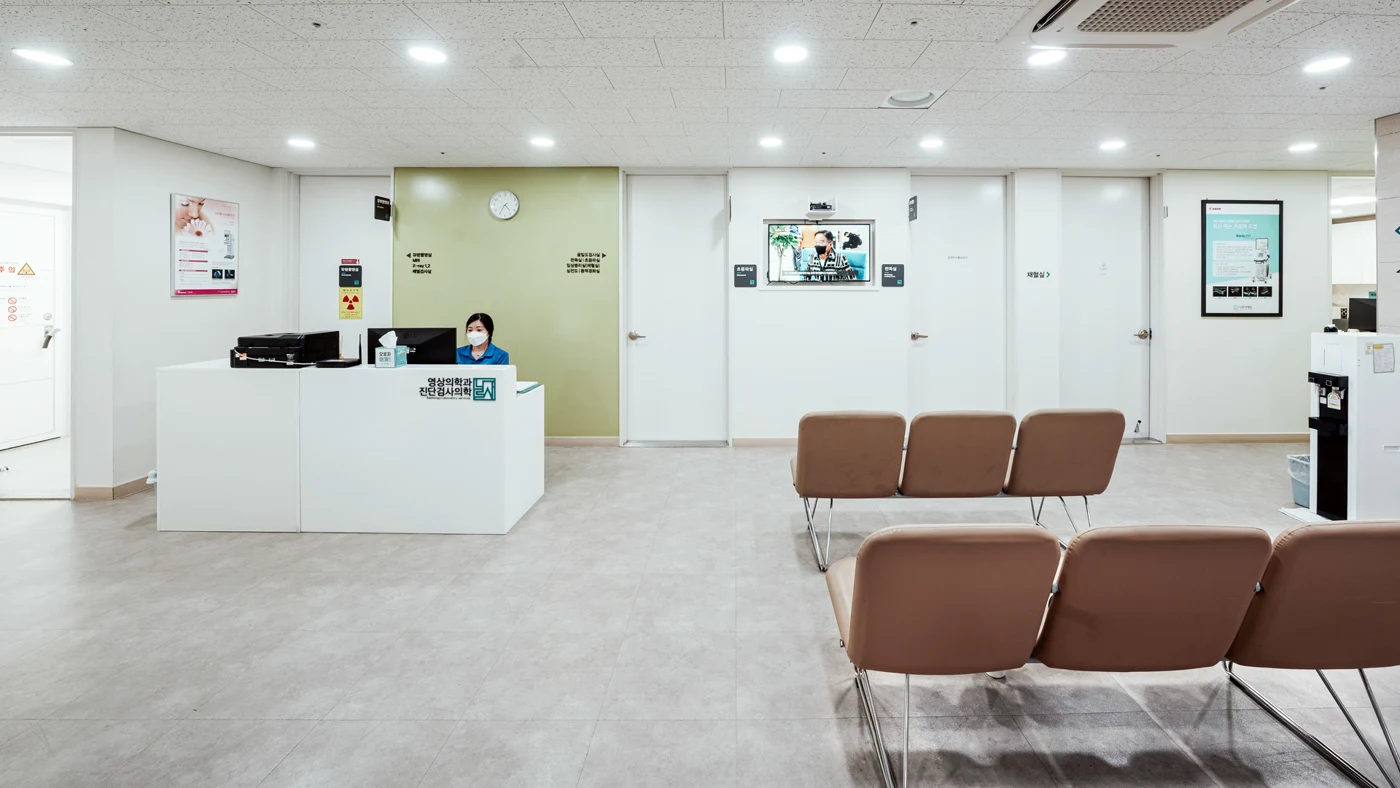
Narsha Hospital
An orthopedic hospital in Dongnae-gu, Busan, focused on shoulder and elbow care. It combines diagnostic imaging, nonsurgical treatment, surgery when indicated, inpatient care and rehabilitation.
Explore clinic & clinical team ↗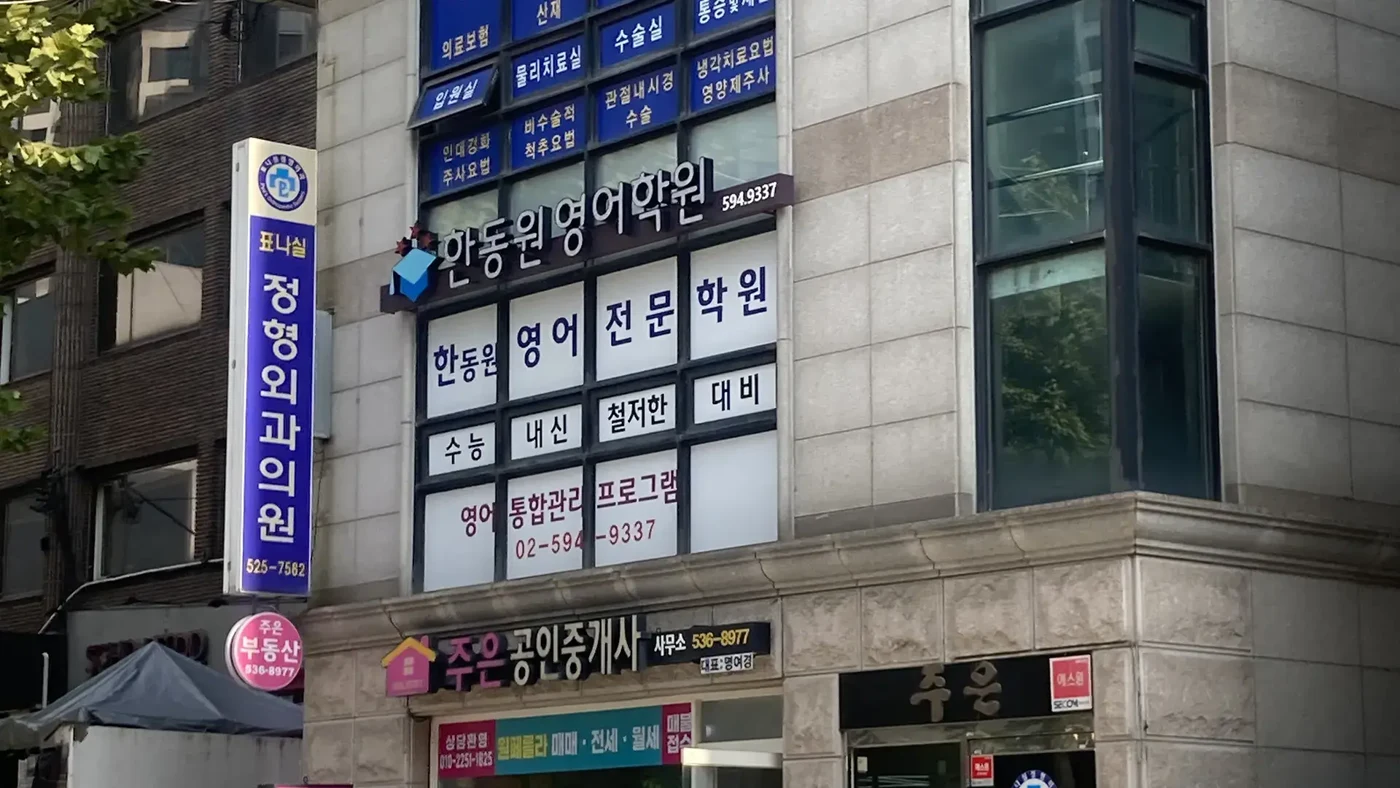
Pyo Nasil Orthopaedic Surgery Clinic
A Seocho-gu orthopedic clinic whose published services include sports injury care, nonsurgical musculoskeletal treatment and rehabilitation after surgery.
Explore clinic & clinical team ↗Questions before you choose care
When does shoulder pain need urgent assessment?
Seek urgent local care for sudden severe pain, inability to move the arm, marked swelling or deformity, persistent numbness, or feeling feverish or unwell. Pain following a significant injury also needs assessment. Do not wait for an overseas rehabilitation appointment.
How long do I need a sling after shoulder surgery?
It depends on the operation and repair. Ask the surgeon for written instructions about when to use the sling and what movement is allowed. A general online recovery schedule should not replace your individual instructions.
Can physiotherapy treat every cause of shoulder pain?
No. Treatment depends on the diagnosis and may include activity changes, exercises, medicine, other treatment or specialist review. An assessment should establish whether rehabilitation is appropriate and what would prompt reassessment.
References
Editorial research: October 26, 2026. Educational information; not independently medically reviewed.