IN BRIEF
Plan a physiotherapy stay in Korea around an assessment and a realistic schedule of repeat visits, rather than booking a fixed treatment package first. Confirm records, language support, accessible accommodation, the full budget and who will continue your care at home. The required stay depends on the agreed clinical plan.

In this guide
- Decide whether travel adds value
- Separate an enquiry from a treatment commitment
- Build a useful records folder
- Keep the first days flexible
- Choose accommodation for daily use
- Budget beyond the treatment price
- Agree on an exercise and review routine
- Leave space for ordinary living
- Know how to ask for help
- Arrange departure as a clinical transition
- A relevant clinic enquiry
- Your final planning check
- Check the whole journey, not just the clinic entrance
Decide whether travel adds value
Start by identifying what you hope to gain from attending care in Korea. Perhaps you already live there, will be visiting family, or want an assessment from a particular listed service. Write down that purpose before comparing flights and treatment packages. If the only goal is a short period of symptom relief, consider whether the same assessment and follow-up would be easier to arrange near home.
Discuss the trip with a clinician familiar with your condition when possible. Ask whether travel could interfere with current care, whether your symptoms need investigation first, and which records would help the receiving clinic. A rehabilitation trip should have a clear clinical purpose and a practical continuation plan. It does not need to include a procedure to be worthwhile, and a clinic should not have to add treatments simply to make the visit feel substantial.
Separate an enquiry from a treatment commitment
An online enquiry can establish whether the clinic considers your problem within its scope. It cannot reproduce every part of an in-person assessment. Send a concise history: the main difficulty, when it began, any diagnosis, relevant operations, important medical conditions and current care. Ask what the clinic needs to review before it can offer an appointment. Use its secure process for records rather than posting sensitive information publicly.
Ask what the initial appointment includes and what decisions are expected afterward. If a package is offered in advance, clarify whether it can be adjusted following assessment and which payments are refundable. Avoid treating a preliminary estimate as a final medical plan. You may discover that the appropriate next step is a different specialty, a short trial with review, or continued treatment with your existing clinician. Your booking arrangements should allow that possibility.
Build a useful records folder
Prepare a short summary that another clinician can read quickly. Include diagnoses, operation names and dates, relevant allergies, current medicines and the contact details of your existing care team. Keep full reports separate from your one-page overview so that important details are not buried. If an operation is central to your rehabilitation, request the operative report and the current surgeon's restrictions, not just the discharge date.
Ask the receiving clinic which image formats and languages it can use. A screenshot of a scan may not substitute for the original imaging files or radiology report. Keep a copy of anything you send and note the date. Make sure records actually belong to you and are clearly labelled. If you have changed medicines or developed new symptoms since sending the enquiry, update the clinic rather than relying on the earlier summary.
Keep the first days flexible
Do not fill every day with appointments before assessment unless the clinical team has explained why that schedule is appropriate. A useful travel plan leaves time for the initial consultation, any necessary review, and changes to the proposed course. Confirm which appointments are with the assessing clinician and which are treatment sessions. Ask whether the same treating professional will usually see you and how information is shared when staff change.
Think about appointment timing alongside ordinary needs. You may need extra time for travel, meals, rest or help getting dressed. If interpretation is required, check that it is scheduled for the appointments where important decisions will be made. Keep a written calendar with the clinic's exact address, appointment type and cancellation deadline. This helps you understand what you have booked and avoids mistaking an administrative contact for a clinical follow-up.
Choose accommodation for daily use
Describe the access you need in concrete terms. Ask whether the room can be reached without steps, whether the lift serves the correct floor, and whether the bathroom arrangement suits your mobility. If you use a walking aid, consider doorways and space around the bed. Request current photographs or written details when those features are essential. The label accessible can mean different things to different accommodation providers.
Check the practical route to the clinic rather than distance alone. Road crossings, slopes, stairs and vehicle access can matter more than the number of minutes shown on a map. Ask a companion whether they can provide the help you expect, and distinguish ordinary travel assistance from personal care or nursing. If those services are needed, arrange them explicitly through an appropriate provider. Do not assume a hotel or outpatient clinic will provide them.
Budget beyond the treatment price
Create separate budget lines for consultation, treatment, reassessment, proposed procedures, interpretation and medical documents. Ask the clinic to specify currency, payment timing and what could change after examination. Request an itemized estimate rather than one combined total. This makes it easier to compare a plan that includes several reviews with one that quotes only a treatment-session price.
Then add transport, accommodation, meals, time away from work and any companion costs. Keep a contingency for a longer stay or an unexpected need for medical review. Ask your insurer about planned care abroad and complications using the actual treatment description. Coverage should be confirmed by the insurer, not inferred from a clinic's willingness to issue a receipt. A lower advertised session price can be outweighed by travel costs or a plan that is difficult to continue after you leave.

Agree on an exercise and review routine
Ask the treating professional to explain any activities prescribed between sessions and to watch you demonstrate them. Request instructions that identify the purpose, the intended amount, any restrictions, and when to stop or ask for advice. Do not combine several online programmes with a new prescription without discussing them. The relevant question is whether your routine matches the assessment and current stage of recovery.
Keep the routine realistic for your accommodation and available equipment. If an exercise requires something you cannot safely use at the hotel, ask for an alternative. Clarify how progress will be reviewed and whether you should keep a short record. The NHS notes that home exercises may form part of physiotherapy; they should be the exercises your clinician has selected for you. This guide does not provide a general programme to follow without assessment.
Leave space for ordinary living
A rehabilitation stay also involves eating, sleeping, washing, shopping and moving around an unfamiliar place. Plan those basics before adding sightseeing. Ask the clinical team whether any planned activity conflicts with current restrictions. A comfortable walking route may be suitable for one person and excessive for another. Do not use another patient's social-media itinerary as a measure of what you should be able to do.
If you want to work remotely, consider whether your workspace and schedule will be manageable. A laptop on a hotel bed may not support the workday you have imagined. Discuss meaningful daily goals with the clinician, such as sitting through a meeting or travelling to an appointment. Those goals can help connect treatment to the life you are returning to. Keep social plans flexible so that they do not pressure you to ignore new or worsening symptoms.
Know how to ask for help
Before the first treatment, ask which symptoms require a call to the clinic, which need prompt medical assessment and which call for emergency care. Keep the clinic's actual contact hours and an appropriate local emergency plan available to you and your companion. A website enquiry form should not be treated as a monitored urgent-care service. If you become acutely unwell, seek local medical help rather than waiting for an online reply.
If your symptoms change, describe what happened and when. Include any new procedure or medicine. Do not assume that a problem is an expected part of rehabilitation simply because it occurred after a session. The treating team should explain how to respond to likely setbacks and how to distinguish them from a need for reassessment. Ask for these instructions in writing where possible, especially when language differences might make an urgent conversation difficult.
Arrange departure as a clinical transition
Ask when the team expects to review you before departure. Use that visit to discuss what has improved, what remains limited and what the next clinician needs to know. Request a concise treatment summary, any relevant investigation results, the current exercise plan and specific precautions. Confirm whether your home clinician can contact the Korean team with your consent if clarification is necessary.
Do not assume that the end of the booked course means rehabilitation is finished. You may need continued exercise, further assessment or a different stage of care. Decide who will coordinate that next step and arrange an appointment if needed. Travel suitability, especially after a procedure or surgery, should be discussed with the treating clinician and airline as appropriate. A flexible departure plan is more useful than a promise that everyone with the same diagnosis can leave on the same day.
A relevant clinic enquiry
Well Rehabilitation Clinic's official international site advertises rehabilitation and pain care in Seoul. Its service information can be a starting point for asking whether an outpatient assessment fits your needs. Use its listed international website to request details about consultation, session structure, communication and records. Avoid assuming that a clinic's treatment menu establishes the right course length or guarantees eligibility for a particular therapy.
The clinic is a commercial partner. This is a service-relevance mention, not a clinical ranking. You can compare its response with other eligible providers using the same questions about assessment, realistic scheduling and follow-up. If your needs include inpatient nursing, intensive neurological therapy or substantial personal assistance, describe them explicitly before making travel arrangements. An outpatient musculoskeletal service may not be the right setting.
Dr. Kim DaeHwan is identified by the clinic as the rehabilitation medicine specialist leading its care. Ask whether he will conduct the initial assessment and how treatment appointments and reviews are organized during your intended stay.
Your final planning check
Before paying for non-refundable travel, you should know who will assess you, where the appointment takes place, what the initial cost includes and how the plan can change afterward. You should also know how you will reach the clinic, where you will stay, who can help if needed and what happens after you leave Korea. Any unresolved item belongs on your enquiry list.
A careful plan does not eliminate uncertainty. It gives you room to respond to the assessment without losing sight of your original goal. Keep copies of bookings, clinical correspondence and payment terms together, and review them with a companion if they will support the trip. The most useful outcome is a course of care you understand and can continue, whether the first assessment leads to treatment in Korea or a recommendation closer to home.
Check the whole journey, not just the clinic entrance
An accessible clinic does not make every part of a rehabilitation trip accessible. Before committing to accommodation, map the route from the room to the bathroom, building exit, transport, clinic reception and treatment area. Ask the hotel and clinic about the actual features you need rather than relying on an accessible label. A photograph or measurement can clarify a doorway, bathroom layout or step when the description is unclear.
Discuss transfers, equipment and necessary assistance with the treating team and the relevant transport provider. Confirm arrangements separately for the airport and local journeys; one booking does not establish the other. Plan an alternative if a lift is unavailable or an appointment changes. If the route requires more help than you can reliably arrange, reconsider the accommodation or schedule before paying for a course of visits.
Sources: CDC Yellow Book: Travelers with disabilities
Continue reading
Explore relevant providers
Selected for the published services relevant to this guide. Commercial partners receive priority among relevant providers; placement is not a clinical ranking. Review the service and ask about suitability before committing to treatment.
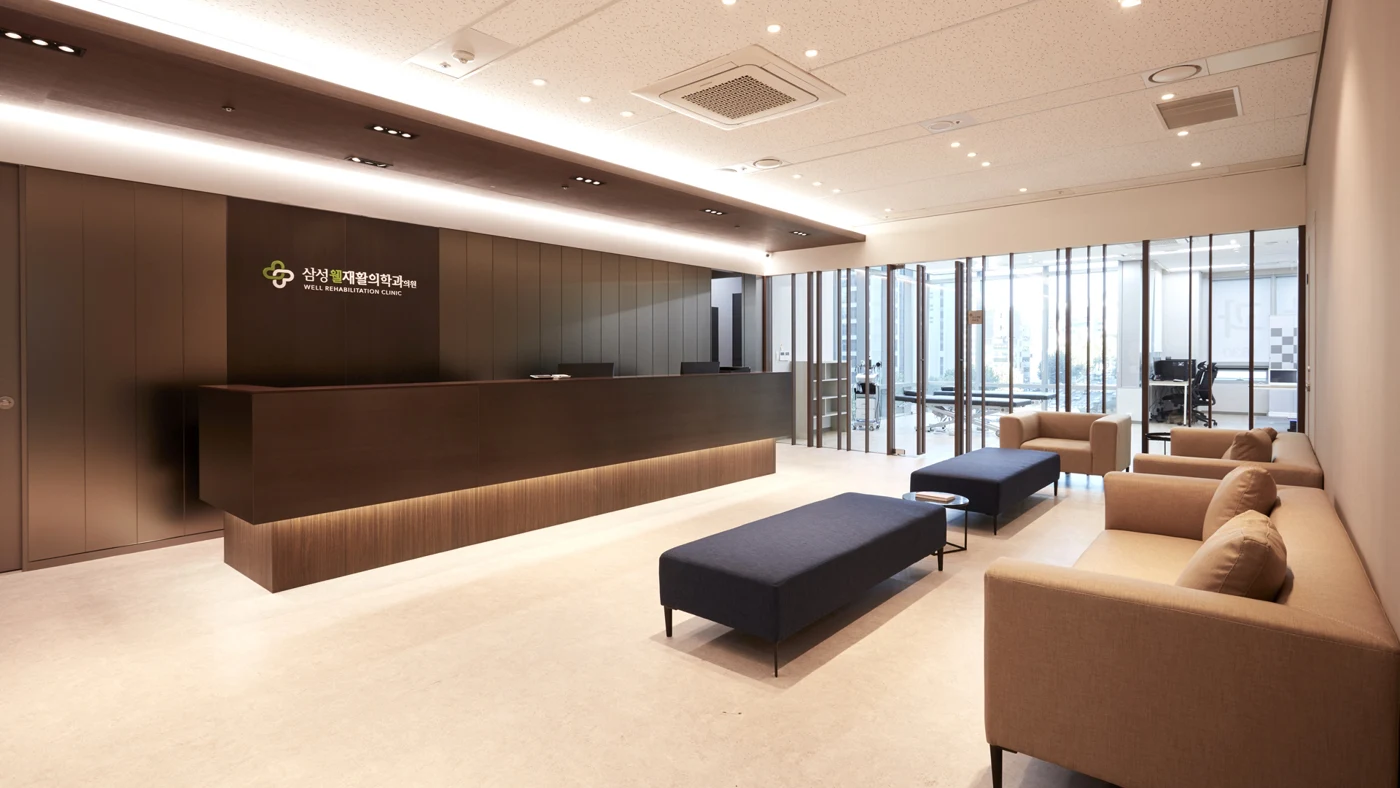
Well Rehabilitation Clinic
A rehabilitation medicine practice in Gangnam for people whose pain, stiffness or movement limitations interfere with daily activity. Its published care includes musculoskeletal assessment, manual therapy, therapeutic exercise and shockwave therapy.
Explore clinic & clinical team ↗
Seoul Novos Hospital
A rehabilitation-focused hospital in Dobong-gu, Seoul, offering inpatient recovery and coordinated therapy for neurological and musculoskeletal conditions. Its published services cover walking, daily activities, communication, swallowing and cognition.
Explore clinic & clinical team ↗Questions before you choose care
How long should I stay in Korea for physiotherapy?
Ask the receiving clinician after your records have been reviewed and the purpose of travel is clear. An initial assessment, a supervised course and postoperative follow-up involve different schedules. Keep bookings flexible until the clinic explains the likely visits and what can continue at home.
Can I combine rehabilitation with sightseeing?
Discuss the walking, stairs, transport and rest your itinerary would require. Treatment appointments do not establish that you can manage a full tourism schedule. Plan activities around your current ability and any restrictions from your treating team.
Will travel insurance cover a planned rehabilitation stay?
Do not assume it will. Ask the insurer about planned treatment, pre-existing conditions, complications, extra accommodation and changes to your return journey. Obtain the answer for your actual itinerary and policy before committing to travel.
References
- NHS: Physiotherapy
- CDC Yellow Book 2026: Medical tourism
- Well Rehabilitation Clinic: Official international website
- Well Rehabilitation Clinic: Dr. Kim DaeHwan
- CDC Yellow Book: Travelers with disabilities
Editorial research: November 3, 2026. Educational information; not independently medically reviewed.