IN BRIEF
Sports rehabilitation should progress from the demands you can currently manage toward the specific demands of your sport. Readiness depends on the injury, clinical review and appropriate functional assessment—not only a pain-free day or a completed package. Agree who will supervise progression and make the return-to-sport decision.
In this guide
Describe your sport and your current ability
Tell the clinician about the injury, previous episodes, treatment already received and the activity you want to resume. Describe the actual demands: running distance, lifting, contact, jumping, turning or repetitive arm use. Bring operation reports and restrictions if surgery has been performed. A general wish to return to sport is less useful than a clear description of the tasks involved.
Ask whether your current symptoms need diagnostic review before progression. A rehabilitation provider should explain its limits and refer for additional assessment when needed.
Progression needs a reason
Ask which measures will guide the transition between stages. Those measures should be selected by the treating team for your injury and goals. Finishing a prepaid number of sessions does not establish readiness for unrestricted training. Neither does a single day without pain.
After ACL surgery, for example, NHS guidance describes recovery as a longer process requiring rehabilitation. That is a reason to plan follow-up beyond a short trip, not a timetable that applies to every ligament injury. Your surgical and rehabilitation teams should explain the requirements for your own progression.
Combine clinic care with a realistic routine
Clarify the exercises prescribed between appointments, equipment needed and any training that should be modified. Ask the clinician to watch you perform the activities and correct your technique. Keep the routine workable for your accommodation while in Korea and for your home environment afterward.
If you work with a coach, ask how relevant instructions can be shared with your consent. The coach should know the practical restrictions and progression plan without being expected to make medical decisions.
Separate modified activity, training and competition
Ask your team to describe what you may do now, what will be assessed before full training and what is needed before competition. The demands differ: controlled practice may not reproduce fatigue, contact or rapid changes of direction. A written plan helps the athlete, clinician and coach work toward the same stage.
A short trip should have a specific purpose, such as assessment, supervised progression or review of a persistent limitation. Ask what evidence will be recorded so the next clinician does not have to reconstruct the starting point.
What to do when the plan is not progressing
Agree in advance how to report a new injury, recurrent swelling or a loss of function. Ask whether the next step is an adjusted exercise dose, a clinical review or further investigation rather than simply repeating the same sessions.
If an operation has been performed, the surgical restrictions still matter. NHS ACL recovery guidance emphasizes following the prescribed rehabilitation and advice on crutches or a brace. A package finish date cannot replace those instructions.
Before returning home
Arrange a handover identifying your diagnosis, treatment, current function, restrictions and next review. Confirm who will decide readiness for the next level of activity. If the Korean clinic cannot provide the full duration of care, that does not make a short assessment useless; it makes a clear continuation plan essential. Compare providers by their ability to explain and coordinate that plan, rather than by promises of a fast return.
Continue reading
Explore relevant providers
Selected for the published services relevant to this guide. Commercial partners receive priority among relevant providers; placement is not a clinical ranking. Review the service and ask about suitability before committing to treatment.
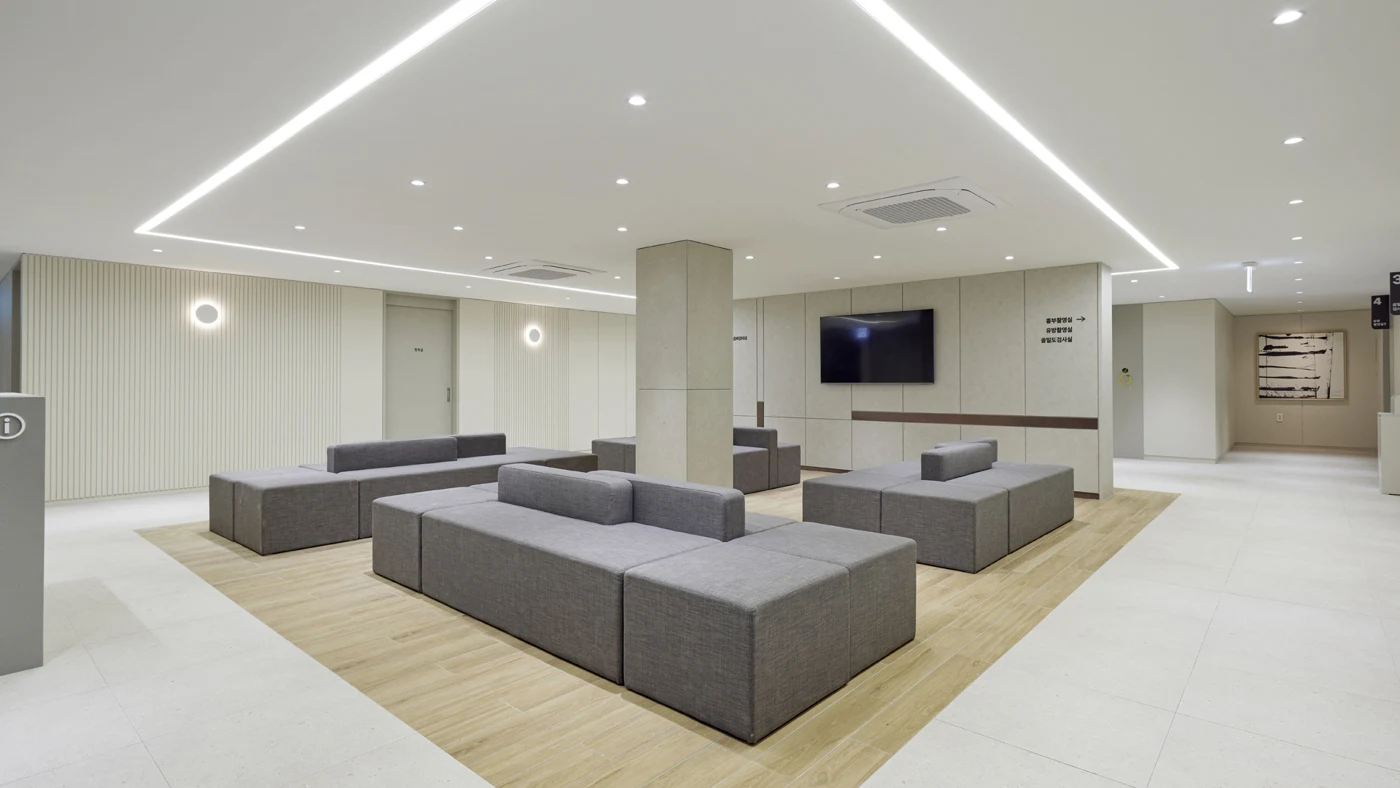
Seoul Novos Hospital
A rehabilitation-focused hospital in Dobong-gu, Seoul, offering inpatient recovery and coordinated therapy for neurological and musculoskeletal conditions. Its published services cover walking, daily activities, communication, swallowing and cognition.
Explore clinic & clinical team ↗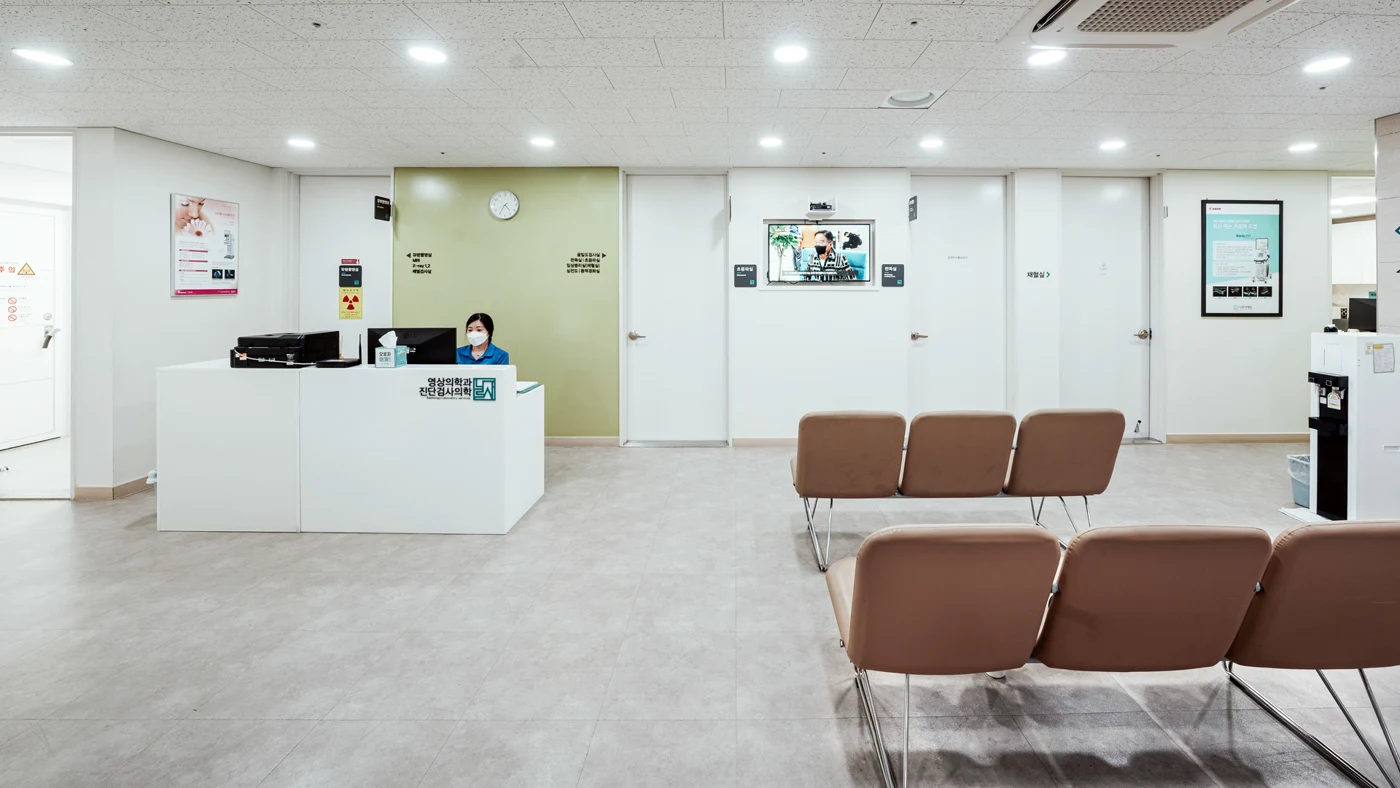
Narsha Hospital
An orthopedic hospital in Dongnae-gu, Busan, focused on shoulder and elbow care. It combines diagnostic imaging, nonsurgical treatment, surgery when indicated, inpatient care and rehabilitation.
Explore clinic & clinical team ↗Questions before you choose care
Does being pain-free mean I can return to sport?
Not on its own. Discuss the strength, control, endurance and sport-specific tasks your treating team needs to assess, along with healing or surgical restrictions. Everyday comfort may improve before you are ready for contact, jumping or rapid direction changes.
Can I finish ACL rehabilitation during a short visit to Korea?
A short stay may support assessment or one stage of rehabilitation, but ACL surgery recovery commonly takes months and return to sport can take much longer. Arrange a continuation plan and clarify who will review readiness after you return home.
What should I tell the clinic about my sport?
Describe your level, usual training, injury mechanism and the movements required—such as sprinting, cutting, throwing or contact. Explain what you can currently do and what brings symptoms back. This is more useful than a sport name alone.
References
Editorial research: October 26, 2026. Educational information; not independently medically reviewed.