IN BRIEF
An MRI is not an automatic requirement before rehabilitation for uncomplicated low back pain. Assessment determines whether imaging is useful, urgent or unnecessary. If you are arranging care in Korea, bring existing records and ask how the proposed test would change treatment, who will explain the result, and what follow-up can happen after you leave.

In this guide
- Start with the decision, not the scan package
- When imaging may be useful
- Symptoms that should not wait for a travel appointment
- What a report can and cannot tell you
- If the clinician recommends rehabilitation without another scan
- Bring existing images, not only a photograph of the report
- Understand the practical requirements if MRI is recommended
- Separate the scan, the interpretation and the treatment quote
- Make the result change something you understand
- Plan the handover before leaving Korea
- A listed clinic to discuss assessment-led rehabilitation
- A short consultation record to take away
Start with the decision, not the scan package
A good consultation should connect three things: what you are experiencing, what the examination finds, and the decision being considered. You might want help walking to work, sitting through a meeting or sleeping more comfortably. The clinician needs that functional story alongside the location and duration of pain. A scan request without a clear question can leave you with more information but no better plan.
Before accepting a test, ask the clinician to finish this sentence: “If the scan shows this finding, our next step would be different because…” You do not need to challenge every recommendation or interpret the images yourself. The aim is to understand why the investigation is relevant now. If the answer is unclear, request an explanation in language you can use when discussing the plan with your usual clinician at home.
When imaging may be useful
The American College of Radiology patient summary distinguishes uncomplicated low back pain from situations that need a different approach. Persistent or worsening symptoms despite management, consideration of surgery, new symptoms after previous spine surgery, and concern about fracture, infection or cancer can change the imaging decision. The appropriate test depends on the clinical question; MRI is not automatically the correct first test for every circumstance.
Tell the examining clinician about previous spine operations, injuries, important illnesses and current treatment. Do not assume that a history recorded in a hospital overseas is already available to a Korean clinic. Equally, do not use a list of possible indications to decide independently that you need a particular scan. Ask which facts in your own assessment make imaging useful and whether a referral to another service is needed.
Sources: ACR/RSNA: Low back pain imaging appropriateness
Symptoms that should not wait for a travel appointment
Back pain accompanied by pain, pins and needles, reduced strength or loss of sensation in both legs requires emergency assessment. So do reduced sensation around the genitals or anus; new difficulty urinating or loss of bladder or bowel control; changes in sexual sensation, erections or orgasm; accompanying chest pain; or pain beginning after a serious accident. Do not wait for a routine rehabilitation visit. NHS guidance separately advises urgent medical help for back pain with fever, chills or feeling unwell, and for pain that begins severely or deteriorates rapidly.
If this happens before your trip, seek appropriate local care rather than waiting for a flight, an online reply or a routine rehabilitation appointment. If it happens while you are abroad, use local emergency services. A previously reassuring scan does not replace assessment of important new symptoms. This article cannot determine whether your symptoms represent an emergency.
Sources: NHS: Back pain
What a report can and cannot tell you
Imaging may identify changes that are not the explanation for a person's current pain. MedlinePlus describes how small or age-related findings can lead to additional tests or unnecessary treatment if their significance is misunderstood. The presence of a finding therefore needs clinical interpretation; the report alone is not an exercise prescription or a reason to accept a procedure.
At the results discussion, ask which findings fit your symptom pattern and examination, which are incidental or uncertain, and what still cannot be concluded. If the report uses terms you do not understand, request plain-language definitions rather than searching each phrase in isolation. Keep the original report, but add a separate note of the clinician's explanation. This prevents your own paraphrase from being mistaken for the radiologist's conclusion when you later share records.
Sources: MedlinePlus: MRI and low back pain
If the clinician recommends rehabilitation without another scan
Ask for a clear plan rather than interpreting “no scan” as “nothing is being done.” The plan should explain the working assessment, the activities you are trying to improve and the review arrangements. You should know who to contact if the plan is not helping or your symptoms change. You can also ask which new findings would cause the clinician to reconsider investigation.
Bring a short record of what you can do now and what happens afterward. For example, describe how long a necessary journey takes, whether you need to stop, and how symptoms affect the next task. These observations help you explain your experience without trying to prove a diagnosis. Follow your clinician's individual activity instructions; do not copy an online exercise programme simply because it mentions the same term as your report.

Bring existing images, not only a photograph of the report
Before travelling, ask the receiving clinic how it accepts prior images and reports. Confirm the permitted file format, language requirements and secure transfer route. A photograph of a written report may not give the reviewing clinician access to the underlying image series. Ask your original imaging provider how to obtain the examination in a format another clinical service can review.
Keep the examination date, body region, original report and relevant operation notes together. Explain what has changed since the images were taken. Send medical information only through a channel you have verified with the clinic, and avoid posting scans publicly to obtain a diagnosis. Ask whether remote review is possible and what it can establish before an in-person examination. Administrative acceptance of a file is not confirmation that no further assessment will be needed.
Understand the practical requirements if MRI is recommended
MRI uses magnetic fields and radio waves rather than X-rays. Safety screening matters: tell the imaging team about implants, devices, metal fragments, relevant illness, allergies and pregnancy. Also mention difficulty lying still or enclosed-space anxiety. The facility can explain whether preparation, an adapted appointment or additional medical advice is needed. Do not assume instructions from a previous scan apply to a new examination.
Ask whether contrast is proposed, why it is needed and what screening is required. If sedation is being considered, request the facility's escort and transport instructions before booking other activities. RadiologyInfo's spine-MRI information explains these practical considerations and why test selection and preparation should remain with the clinical team. A clear appointment plan is especially useful when your accommodation or transport has already been arranged.
Sources: ACR/RSNA: Spine MRI
Separate the scan, the interpretation and the treatment quote
Request an itemized estimate identifying the consultation, investigation, report, results appointment and any proposed treatment. Ask which items are confirmed and which depend on examination findings. If an outside imaging centre is involved, confirm who arranges it, who receives the result and whether you must book a separate review. Do not assume that paying for the scan includes a detailed rehabilitation consultation.
If you have travel or health insurance, ask the insurer about its own authorization and documentation requirements before relying on reimbursement. Neither an English-language quotation nor a clinic's estimate establishes insurance coverage. Keep copies of the estimate and later changes, and ask for an explanation if the proposed package expands. There is no universal scan price or fixed number of therapy visits that can be promised for everyone.
Make the result change something you understand
A useful results appointment ends with an action you can describe. That might be continuing the current programme, changing its focus, arranging another assessment or discussing a different treatment. Ask what evidence supports that action and what alternatives remain. If the result does not explain the problem, ask how the clinician proposes to handle that uncertainty rather than treating an unclear result as a failed appointment.
For rehabilitation, request practical instructions linked to your own daily tasks and a method for reviewing progress. Ask the clinician to check that you understand any demonstrated movement and its individual limits. Record what follow-up is booked, what information to bring and whom to contact between visits. A scan report, a payment receipt and an exercise name are not substitutes for a comprehensible care plan.
Plan the handover before leaving Korea
Agree who will explain any result that becomes available after departure. Confirm whether a remote review is offered, what it covers and what will require an examination where you live. Do not leave responsibility for an unresolved result between two services that each assume the other will follow it up. Ask for a named contact or team and the expected method of communication.
Request copies of the final report, relevant images, assessment summary and current rehabilitation instructions. Ask the receiving clinician at home what they need and whether they can accept the proposed handover. Keep changes to treatment and medicines clearly dated. If language translation is required, distinguish a formal translation from your own notes. These steps support continuity; they do not guarantee that two clinicians will reach identical conclusions or offer identical services.
A listed clinic to discuss assessment-led rehabilitation
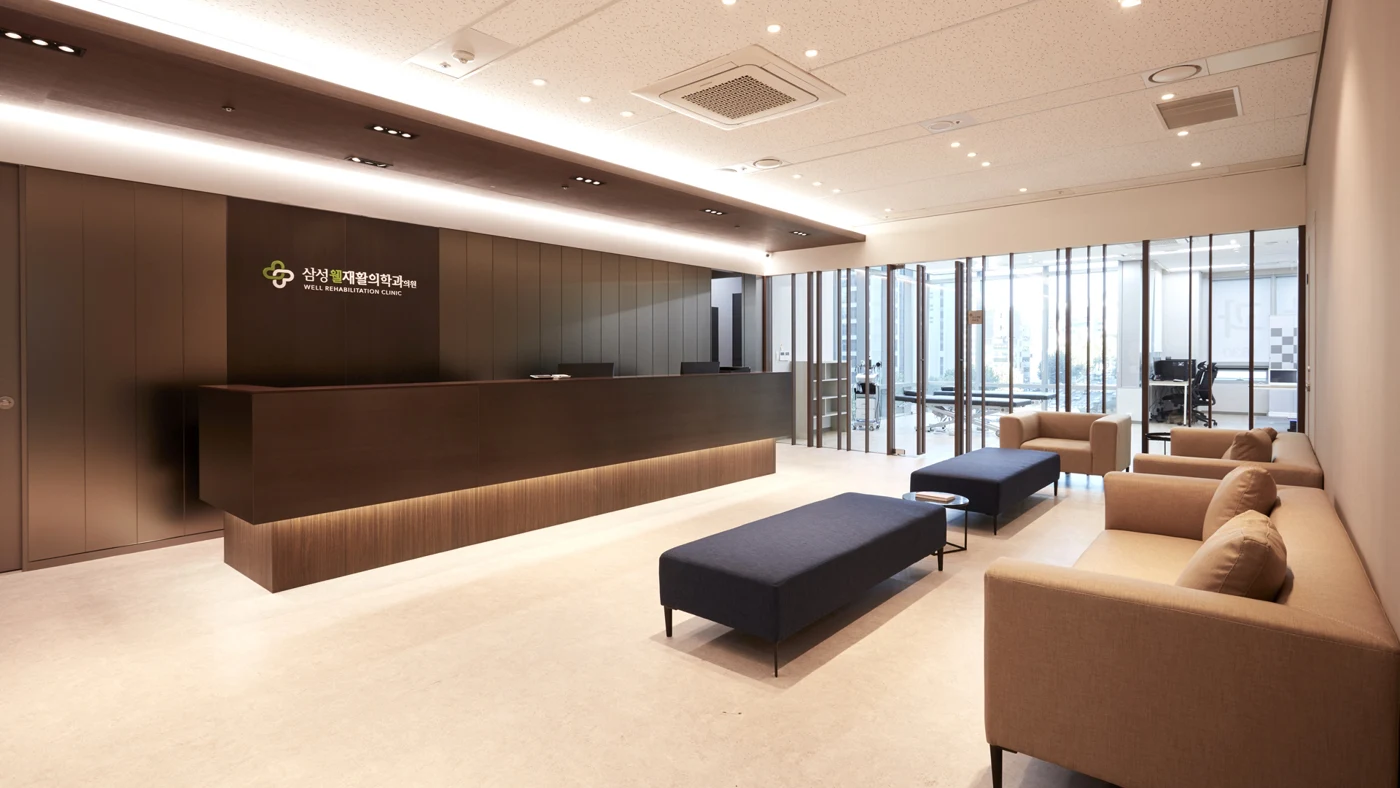
Well Rehabilitation Clinic in Seoul is a relevant listed option for an assessment conversation because its official musculoskeletal-pain page describes examination-led treatment planning, physical therapy and exercise-based rehabilitation. The page identifies Dr. Kim DaeHwan as the clinician leading this service. These are the clinic's published statements, not an independent audit of credentials or a promise that its services suit your condition.
Review its official service information and the Rehab Korea clinic profile, then ask whether the clinic can evaluate your symptoms, review your existing records and explain any need for referral or imaging. Do not assume an MRI is available on site or included in a consultation. Well is a PB commercial partner on this platform; placement is not evidence of superior outcomes. Select care by verified scope, clinical suitability and understandable follow-up, not the prominence of a listing.
Sources: Well Rehabilitation Clinic: Musculoskeletal pain management
A short consultation record to take away
Write down the question the clinician was trying to answer, whether imaging was recommended and why, and the next action after the result. Add the name of the service responsible for follow-up and the information you need to obtain before leaving. Leave space for uncertainties rather than turning a provisional explanation into a definite diagnosis.
For a second opinion, share that record alongside original documents and explain what you want clarified. A different recommendation deserves discussion of the reasons, not automatic acceptance or dismissal. The goal is to make decisions that fit your symptoms, safety and practical circumstances. It is not to accumulate the largest number of tests during a short visit.
Continue reading
Explore relevant providers
Selected for the published services relevant to this guide. Commercial partners receive priority among relevant providers; placement is not a clinical ranking. Review the service and ask about suitability before committing to treatment.
Questions before you choose care
Can I book rehabilitation in Korea if I have not had an MRI?
Ask the clinic what information it requires for an assessment. Imaging is not automatically needed for uncomplicated low back pain, but your history and examination may identify a reason to investigate or refer you. Do not purchase a scan solely to satisfy an assumed entry requirement.
Will a Korean clinic accept a scan performed overseas?
Acceptance and clinical usefulness need confirmation with the receiving service. Ask about image formats, report language, examination date and secure transfer. Even when the files can be opened, changed symptoms or a different clinical question may require further assessment.
Should every disc finding be treated?
No treatment decision should be made from a report label alone. Ask the examining clinician how the finding relates to symptoms and function, what uncertainty remains, and which options are appropriate. This page cannot interpret an individual scan.
References
- ACR/RSNA: Low back pain imaging appropriateness
- NHS: Back pain
- MedlinePlus: MRI and low back pain
- ACR/RSNA: Spine MRI
- Well Rehabilitation Clinic: Musculoskeletal pain management
Editorial research: 2026-11-03. Educational information; not independently medically reviewed.