IN BRIEF
Back or neck rehabilitation should begin with an assessment of the symptom pattern, daily limitations and any warning signs. A plan may combine activity advice, exercise and selected additional treatment. Imaging or a procedure is not automatically necessary; ask how it would change your care and how progress will be reviewed.
In this guide
What to describe at the first visit
Explain where symptoms occur, how long they have been present and whether they travel into an arm or leg. Describe what has changed in walking, sleeping, working or using your hands. Bring previous reports and list treatments already tried, including whether they helped and for how long. Tell the clinician about injuries, operations and other important health conditions.
Ask what diagnosis is most likely, what remains uncertain and whether additional tests would change management. Different problems can produce similar symptoms, so avoid choosing a procedure solely because a website describes the place where you feel pain.
What a rehabilitation plan should explain
The plan should identify useful goals and the reason for each proposed treatment. Ask how activities will be adjusted, whether exercises are prescribed between visits and when progress will be reviewed. The NHS advises remaining active for ordinary back pain rather than prolonged bed rest, while seeking assessment when symptoms persist or interfere with daily life. That general advice does not override restrictions after an injury or operation.
Ask the clinician to demonstrate any prescribed movement and explain what response should lead you to stop or seek advice. If manual treatment or a procedure is proposed, discuss its purpose, limitations and alternatives. Do not assume a technology advertised for pain is suitable for every diagnosis.
When a routine appointment is not enough
Seek emergency assessment for back pain accompanied by new bladder or bowel changes, loss of feeling around the genitals or anus, or weakness or numbness affecting both legs. Severe symptoms after a serious accident also need urgent evaluation. Fever or feeling generally unwell with back pain, or rapidly worsening severe pain, requires prompt medical advice.
These are reasons to obtain appropriate local medical help, not to wait for travel or an online clinic reply. This page cannot determine the cause of your symptoms.
Do scans change the treatment decision?
For low back pain, NICE does not recommend routine imaging in a non-specialist setting. Even a specialist referral does not automatically require an MRI: ask whether a test is likely to change the plan. This guidance is about low back pain and should not be assumed to cover every neck injury or postoperative problem.
Bring previous images and reports so the clinician can review what has already been investigated. A useful consultation connects the history and examination with the findings that matter for your symptoms, rather than choosing treatment from a scan label alone.
Make neck symptoms and daily tasks specific
For neck pain, mention arm tingling, altered sensation or a cold arm, and whether turning your head is limited. NHS advice recommends medical review for persistent neck pain and associated symptoms. Avoid activities such as driving if restricted neck movement makes them unsafe.
Ask how to adapt your desk work, sleep position and the activities that aggravate symptoms. Your clinician should explain any movement restrictions and what change in symptoms should prompt another assessment.
Choosing care in Korea
Compare eligible clinics by their assessment process and ability to continue your care. Confirm the exact clinician, communication arrangements and follow-up before committing to a course. Ask how the team will share a summary with your usual clinician if you are only in Korea briefly. A useful first visit may produce a clearer diagnosis and a plan you can continue at home, rather than a long series of procedures.
Continue reading
Explore relevant providers
Selected for the published services relevant to this guide. Commercial partners receive priority among relevant providers; placement is not a clinical ranking. Review the service and ask about suitability before committing to treatment.
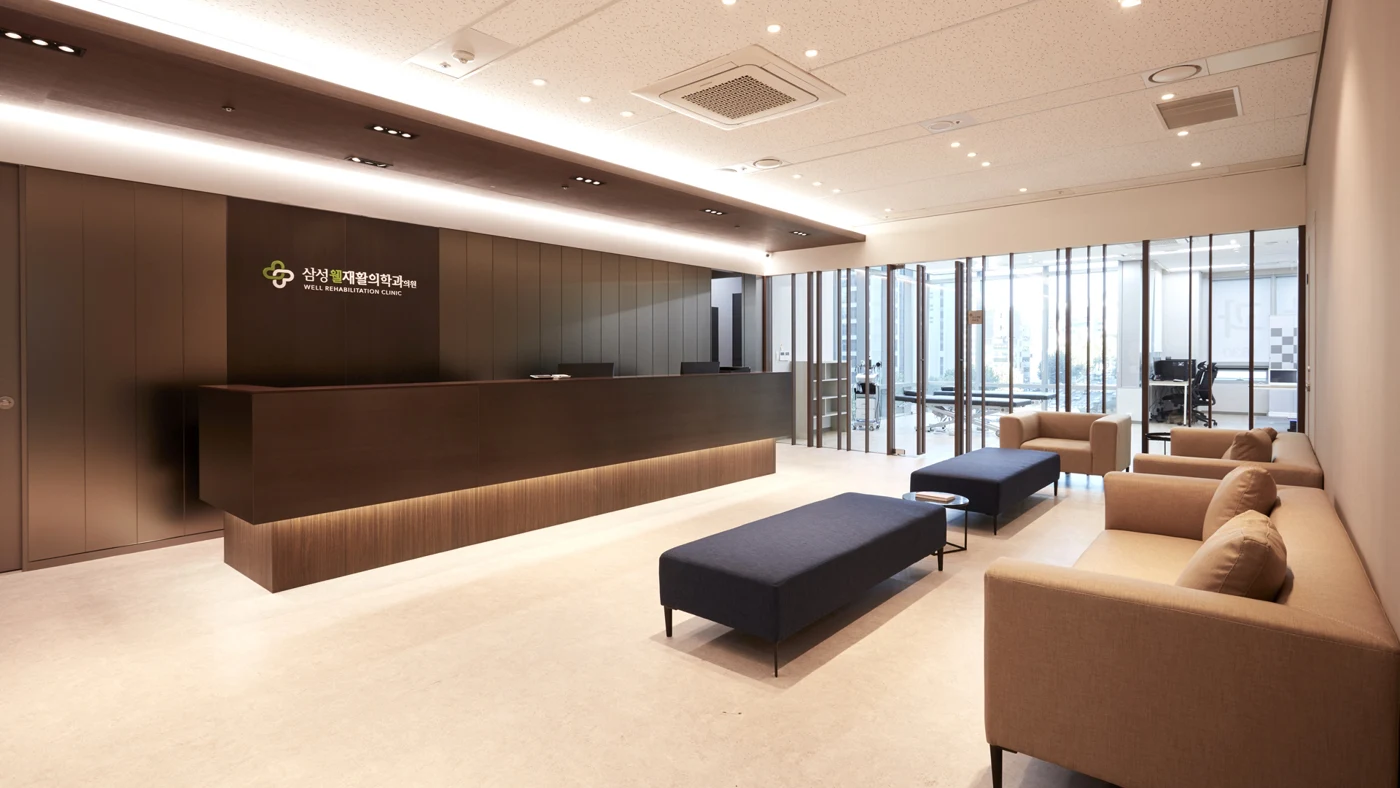
Well Rehabilitation Clinic
A rehabilitation medicine practice in Gangnam for people whose pain, stiffness or movement limitations interfere with daily activity. Its published care includes musculoskeletal assessment, manual therapy, therapeutic exercise and shockwave therapy.
Explore clinic & clinical team ↗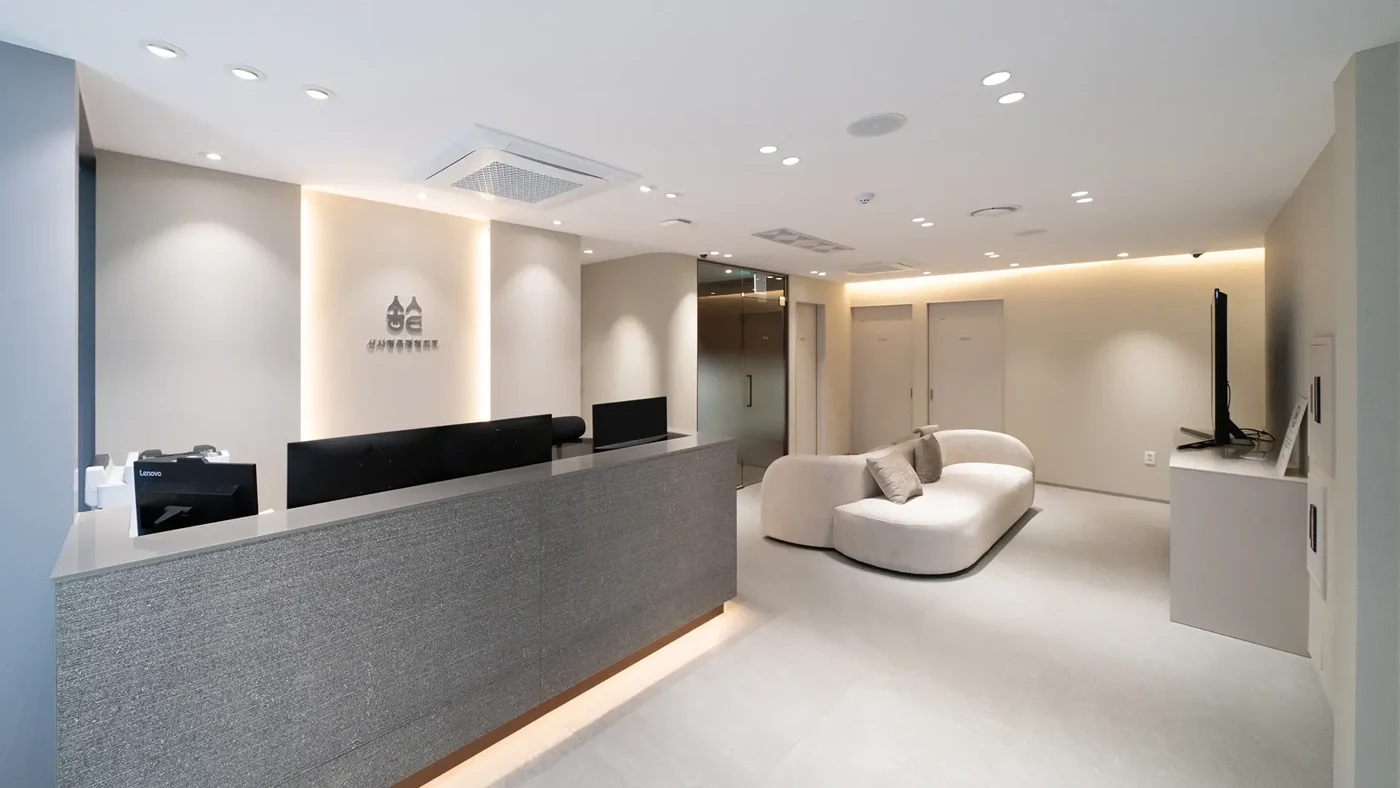
Shinsa Hyeongtong Orthopedics
A Gangnam orthopedic clinic led by Dr. Hyeong-geun Park, with published services in spine and joint care, manual therapy and active rehabilitation.
Explore clinic & clinical team ↗Questions before you choose care
Do I need an MRI before starting back rehabilitation?
Not always. NICE advises against routine imaging for low back pain in non-specialist care and recommends specialist imaging when the result is likely to change management. Bring existing reports and ask the examining clinician whether another scan would answer a useful question.
Should I rest until back pain disappears?
For ordinary back pain, NHS advice favors staying active rather than prolonged bed rest. Your plan should be adapted to your symptoms and ability. Advice after trauma or surgery may differ, so follow any specific restrictions and seek assessment for warning signs.
Can I choose a neck treatment from the location of the pain?
Pain location alone cannot identify the cause. Explain any arm symptoms, altered sensation and problems using your hands, as well as the neck pain. The clinician should assess the pattern before recommending an exercise or procedure.
References
Editorial research: October 26, 2026. Educational information; not independently medically reviewed.